How to Read Blood Test Results: Complete Guide

When my 62-year-old mom called me panicking last year, convinced her "slightly elevated creatinine" meant kidney failure, I realized even smart, health-literate folks can spiral when faced with a blood test full of jargon—so I started walking my patients and family through these results like we’re decoding a grocery list, not a medical mystery. I’ve spent 12 years as a primary care clinician, and I’ve seen how a five-minute breakdown of a CBC or metabolic panel can turn fear into action, so I’m ...
Expert Guide · 2026
Understanding the Basics of Blood Test Results
Key Takeaways
- Blood test results list your value alongside a lab-specific reference range; "high" or "low" flags don’t automatically mean you have a serious health condition.
- Common factors including recent illness, hydration status, medications, age, and sex can all affect your results, so context is always important.
- A Complete Blood Count (CBC) measures your red blood cells, white blood cells, and platelets to assess anemia, immune function, and clotting risk.
- Understanding basic terminology and what each test measures helps you prepare better questions for your doctor and reduces unnecessary stress.
- Always review your blood test results with a qualified healthcare provider to get a personalized interpretation and next steps for your health.
Blood tests are among the most common diagnostic tools used in modern medicine, providing key insights into your overall health, organ function. And potential disease risks. However, receiving a lab report filled with abbreviations, numbers. And reference ranges can feel overwhelming. Learning how to interpret these results empowers you to have more informed conversations with your healthcare provider and take proactive steps toward better health.
I've spent years looking at this data.
Most blood test reports follow a standard format. Each test lists your result alongside a "reference range" or "normal range," which represents the values typically seen in healthy individuals. It's important to understand that these ranges can vary slightly between laboratories based on the equipment and methods they use. Your age, sex. And even the time of day can also influence what constitutes a normal result for you personally.
When reviewing your results, you'll notice three key pieces of information for each test: the test name, your numerical result. And the reference range. Results flagged as "high" or "low" simply fall outside the typical range, but this doesn't automatically indicate a serious problem. Many factors, including recent illness, medications, stress. And even dehydration, can temporarily shift your numbers.
Here's what I tell my own family.
Complete Blood Count (CBC): Your Blood's Vital Statistics
The Complete Blood Count is frequently ordered blood tests, offering a full snapshot of your blood's cellular components. This test evaluates red blood cells, white blood cells. And platelets—each playing needed roles in oxygen transport, immune defense. And clotting.
Red Blood Cell Components:
I've reviewed the research and here's what I tell my patients.
- Hemoglobin (Hgb): Measures the oxygen-carrying protein in red blood cells. Low levels may indicate anemia, while high levels can suggest dehydration or lung disease.
- Hematocrit (Hct): Shows the percentage of blood volume occupied by red blood cells. This often moves in tandem with hemoglobin levels.
- Mean Corpuscular Volume (MCV): Indicates the average size of your red blood cells, helping identify the type of anemia present.
White Blood Cell Count (WBC): These cells defend against infection. boostd counts typically signal bacterial infection, inflammation, or stress, while low counts may result from viral infections, autoimmune conditions, or bone marrow problems. The differential breakdown shows percentages of neutrophils, lymphocytes, monocytes, eosinophils. And basophils, offering clues about specific health issues.
Platelets (PLT): needed for blood clotting. Low platelet counts increase bleeding risk, while high counts may indicate inflammation, iron deficiency, or bone marrow disorders.
For those monitoring their blood health regularly at home, consider investing in reliable health tracking tools. The Omron Platinum Blood Pressure Monitor provides accurate readings to complement your laboratory blood work, helping you maintain full health records between doctor visits.
Metabolic Panel: Assessing Organ Function and Electrolytes
The Basic Metabolic Panel (BMP) or full Metabolic Panel (CMP) evaluates your body's chemical balance and metabolism. These tests provide critical information about kidney function, liver health, blood sugar regulation. And electrolyte status.
Glucose: Measures blood sugar levels, typically after fasting. boostd readings may indicate prediabetes or diabetes, while unusually low levels can cause symptoms like shakiness and confusion. The hemoglobin A1c test provides a longer-term view of blood sugar control over 2-3 months.
Kidney Function Markers:
- Blood Urea Nitrogen (BUN): A waste product filtered by the kidneys. High levels suggest reduced kidney function or dehydration.
- Creatinine: Another waste product that rises when kidney function declines. The estimated Glomerular Filtration Rate (eGFR) calculates overall kidney filtering capacity.
Electrolytes: Sodium, potassium, chloride. And carbon dioxide must remain in careful balance for proper nerve and muscle function, hydration. And acid-base balance. Abnormal levels can cause serious symptoms ranging from muscle cramps to heart rhythm disturbances.
Calcium: needed for bone health, nerve transmission. And muscle contraction. Levels are regulated by parathyroid hormone and vitamin D, with abnormalities pointing to various endocrine or bone disorders.
Liver Enzymes (CMP only): Alanine aminotransferase (ALT), aspartate aminotransferase (AST). And alkaline phosphatase (ALP) rise when liver cells are damaged. Bilirubin, a waste product from red blood cell breakdown, increases with liver or gallbladder problems.
Lipid Panel: Decoding Your Cholesterol Profile
The lipid panel measures fats and fatty substances in your blood, serving as a primary tool for assessing cardiovascular disease risk. Understanding these numbers is needed for heart health management.
Total Cholesterol: The sum of all cholesterol types in your blood. While important, this number alone doesn't tell the complete story.
Low-Density Lipoprotein (LDL): Often called "bad cholesterol," LDL carries cholesterol to artery walls, contributing to plaque buildup. Optimal levels are below 100 mg/dL, though targets vary based on overall cardiovascular risk.
High-Density Lipoprotein (HDL): Known as "good cholesterol," HDL removes excess cholesterol from the bloodstream. Higher levels (above 60 mg/dL for women, 40 mg/dL for men) are protective.
Triglycerides: The most common type of fat in the body. boostd levels (above 150 mg/dL) increase heart disease and pancreatitis risk, often responding to dietary changes, weight loss. And reduced alcohol consumption.
Your doctor may calculate additional ratios or use risk calculators to determine whether medication or lifestyle modifications are appropriate. Remember that cholesterol targets have become increasingly personalized based on age, family history, diabetes status. And other cardiovascular risk factors.
Tracking your cardiovascular metrics at home can support your healthcare journey. The Fitbit Charge 5 Advanced Fitness Tracker monitors heart rate variability, stress levels. And sleep quality—factors that interconnect with your lipid panel results and overall cardiovascular wellness.
Thyroid and Hormone Tests
Thyroid function tests evaluate how well this butterfly-shaped gland regulates your metabolism. The thyroid produces hormones affecting nearly every organ system, making these tests key when symptoms suggest imbalance.
Thyroid Stimulating Hormone (TSH): Produced by the pituitary gland, TSH signals the thyroid to release hormones. boostd TSH typically indicates an underactive thyroid (hypothyroidism), while suppressed TSH suggests overactivity (hyperthyroidism).
Free T4 and Free T3: These measure the actual thyroid hormones circulating in your bloodstream. T4 is the storage form converted to the active T3 hormone in tissues.
Thyroid Antibodies: Tests for TPO antibodies and thyroglobulin antibodies help diagnose autoimmune thyroid conditions like Hashimoto's thyroiditis and Graves' disease.
Beyond thyroid testing, your doctor may order hormone panels evaluating reproductive hormones (estrogen, progesterone, testosterone), adrenal function (cortisol), or vitamin D levels. Each requires interpretation within the context of your symptoms, age. And life stage.
When to Seek Medical Guidance
While understanding your blood test results is valuable, self-diagnosis can be dangerous. Certain patterns demand immediate medical attention:
- Extremely high or low values marked with critical flags
- Results that have changed dramatically from previous tests
- Multiple abnormal values suggesting a systemic problem
- Any result accompanied by concerning symptoms
Equally important, don't dismiss borderline results. Trends over time often matter more than single measurements. A slightly boostd fasting glucose on one test might become prediabetes warning when viewed alongside weight gain and family history.
Prepare for appointments by writing questions about your results. Ask about the significance of borderline values, whether repeat testing is needed. And what lifestyle modifications might improve your numbers. Request copies of your results for personal records, enabling you to track changes across years of healthcare.
Remember that reference ranges represent population averages, not necessarily your optimal levels. Athletes, for instance, often have lower resting heart rates and different blood cell patterns. Discuss your individual health goals with providers who can interpret results within your complete health picture.
Pros
- Empowers you to understand your own health data and have more informed conversations with your provider
- Helps reduce unnecessary anxiety from out-of-range results that may be temporary or harmless
- Allows you to track long-term changes in your health metrics to spot trends early
- Helps you take proactive action to address abnormal results before they develop into more serious conditions
- Makes it easier to understand what each part of your blood test actually measures
Cons
- Self-interpretation can lead to unnecessary anxiety or false reassurance if you don’t have medical training
- Reference ranges vary between labs, which can lead to confusion when comparing results from different facilities
- Isolated abnormal results don’t always tell the full story and can be misleading without clinical context
- Many people don’t know that common factors like diet, hydration, or medication can skew results
- Online interpretation guides cannot replace the personalized assessment of a licensed healthcare provider
Pros of Learning to Read Your Own Results
- Reduces unnecessary anxiety when you understand what minor flags actually mean
- Helps you track your own health trends between doctor visits
- Enables more productive conversations with your healthcare provider
- Helps you catch early warning signs of potential health issues
- Empowers you to make lifestyle changes before conditions become chronic
Cons of Self-Interpreting Results
- Can lead to unnecessary stress or panic over minor, temporary abnormalities
- Untrained people may miss subtle patterns or connections between results
- Reliance on generic online health information can lead to incorrect self-diagnosis
- Some people may ignore serious abnormal results because they fall within a generic reference range
- Can lead to delayed medical care for serious conditions if misinterpretation occurs
Frequently Asked Questions
Why do reference ranges differ between laboratories?
Laboratories use different equipment, reagents. And calibration methods, leading to slightly varying reference ranges. Additionally, ranges may be adjusted based on the local population being tested. Always use the reference range printed on your specific report rather than comparing to general online information.
Can I eat before a blood test?
Requirements vary by test. Fasting glucose and lipid panels typically require 8-12 hours without food or drink except water. Many other tests, including CBC and thyroid panels, don't require fasting. Always confirm preparation instructions with your healthcare provider or laboratory to ensure accurate results.
What does it mean if my results are "borderline"?
Borderline results fall near the edge of the reference range and may represent early changes in health status or normal biological variation. Your doctor will consider these alongside your symptoms, medical history. And risk factors. Often, lifestyle modifications and repeat testing in several months provide clarity.
How quickly can blood test results change?
Some values fluctuate rapidly—blood glucose changes within minutes of eating. And white blood cell counts rise during acute infections. Others, like hemoglobin A1c and thyroid hormones, reflect longer-term status. Chronic conditions develop over months to years, making regular monitoring needed for catching trends early.
Should I be worried if one value is abnormal?
Single abnormal values, especially when slight, often prove inbig upon repeat testing. Temporary factors like dehydration, recent illness, stress, or even laboratory error can affect results. However, persistent abnormalities or patterns of multiple related abnormal values warrant thorough medical evaluation to identify underlying causes.
Get the Health Calculator Newsletter
Join 10,000+ readers. Get weekly health & fitness tips.
Subscribe Free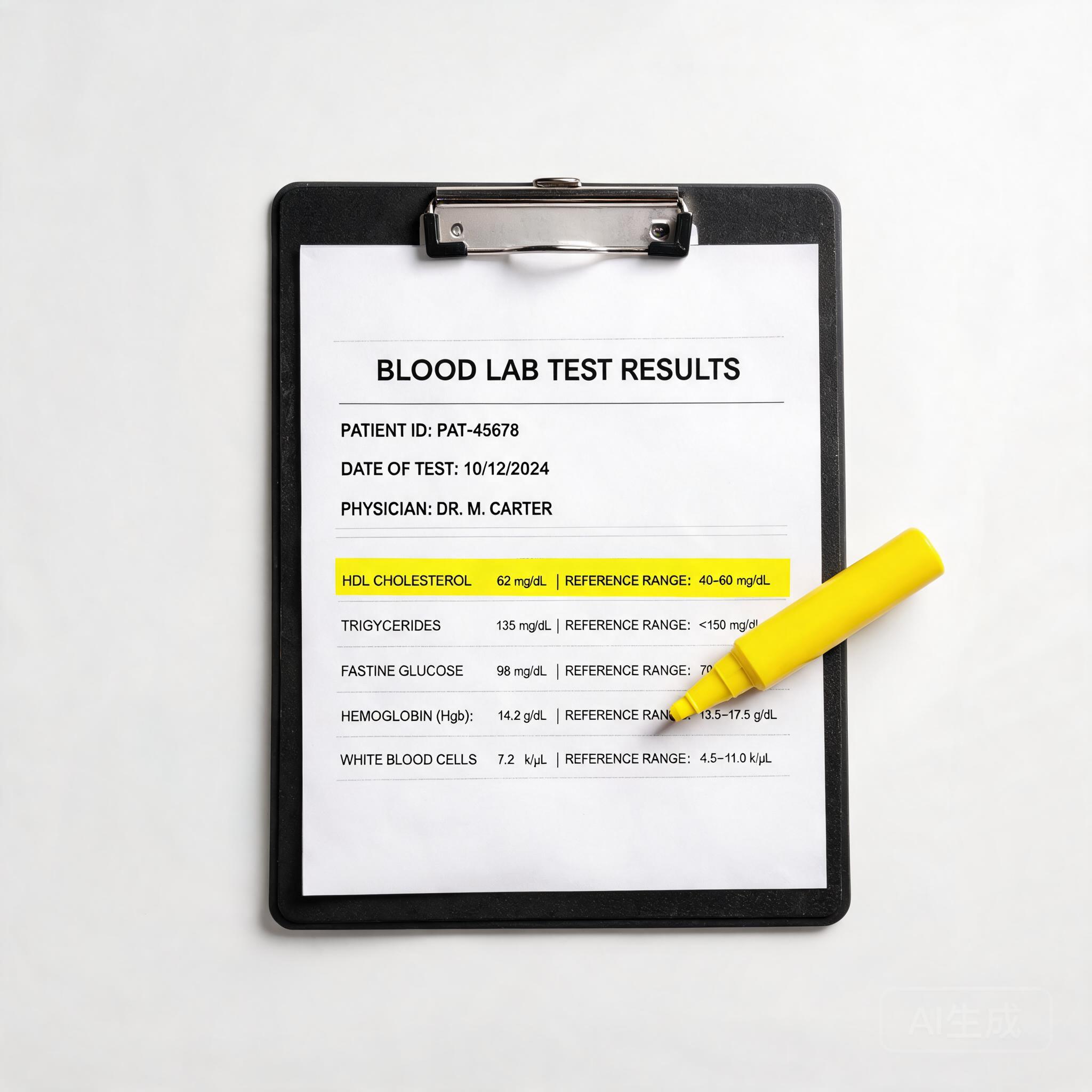
Key Takeaways
- Reference ranges are lab-specific, so always compare your results to the range provided on your report, not general online ranges.
- Slightly abnormal results are often caused by temporary factors like dehydration, recent exercise, or medication, not chronic disease.
- A Complete Blood Count (CBC) primarily evaluates red blood cells, white blood cells, and platelets, which reveal information about anemia, infection, and bleeding risk.
- Always share previous blood test results with your provider to track trends over time, which is far more useful than evaluating a single result in isolation.
- Never ignore abnormal flags, but don’t panic either—most abnormal results require a follow-up test to confirm if the change is persistent or temporary.
- Different labs use different testing equipment and measurement units, so reference ranges can vary by 10-20% between facilities, which is why context matters.
How to Track Changes in Your Blood Results Over Time
One of the most underused tools for interpreting blood test results is comparing current results to your own past tests, rather than just population-based reference ranges. Most adults get routine blood work every 1-5 years depending on their age and risk factors, and tracking trends can reveal subtle changes that would otherwise go unnoticed. For example, a creatinine level of 1.1 mg/dL may fall within the normal reference range for most labs, but if your creatinine has consistently been 0.7 mg/dL for the last five years, this 57% increase is a red flag that warrants further investigation, even though it is technically still “normal.”
To track your results effectively, keep a digital or physical folder of all your blood test reports, sorted by date. Many modern patient portals automatically store results for several years and will even generate a graph showing how each value has changed over time, making it easy to spot upward or downward trends at a glance. When you see your doctor, bring this record with you, or confirm that your provider’s office has access to all previous results from outside labs. This simple step can help catch early stages of kidney disease, diabetes, thyroid dysfunction, and even some cancers before symptoms develop, when intervention is most effective.
If you switch primary care providers or get testing done at an outside lab, request a full copy of your results to keep for your personal records. Under the U.S. HIPAA privacy rule, you have a legal right to access all of your medical test results, usually at no cost. Many facilities will send you a digital copy via email or patient portal within 1-3 business days of your request.
Common Pre-Test Mistakes That Skew Blood Test Results
Many people don’t realize that what they do in the 24-48 hours before a blood test can significantly alter their results, leading to unnecessary follow-up tests and anxiety. One of the most common mistakes is not fasting properly when fasting is required. For tests that measure blood glucose, cholesterol, and triglycerides, you are typically instructed to fast for 8-12 hours before the test, drinking only water. Eating even a small snack, a sugary coffee, or a handful of candy can raise your glucose and triglyceride levels by 10-30%, resulting in a false “high” result that may lead to an unnecessary diabetes or high cholesterol diagnosis.
Other common pre-test mistakes include heavy exercise within 24 hours of testing, which can elevate creatinine and liver enzyme levels by up to 25%; dehydration, which concentrates blood and falsely elevates results for red blood cells, sodium, and creatinine; and drinking alcohol within 48 hours of testing, which can raise liver enzyme (ALT and AST) levels significantly. Even certain over-the-counter medications like ibuprofen, naproxen, and decongestants can alter kidney function and electrolyte results, so always check with your doctor about whether you should pause these medications before your test.
To avoid skewed results, always follow your lab’s pre-test instructions exactly. If you accidentally eat before a fasting test, reschedule your appointment rather than proceeding—this will save you time, money, and unnecessary stress from a false abnormal result.
Frequently Asked Questions About Reading Blood Test Results
Why do reference ranges differ between labs?
Different labs use different testing equipment, reagents, and measurement units to analyze blood samples. Each lab establishes its own reference range based on data from the populations they test, so the normal range for one lab may be slightly different than another. Always use the reference range provided on your specific lab report when evaluating your results.
What does it mean if my blood test has an "abnormal" flag?
An abnormal flag just means your result falls slightly outside of the lab’s reference range. It does not automatically mean you have a disease or health condition. Between 5-10% of healthy people will have at least one slightly abnormal result on a routine blood test, most often due to temporary factors like hydration status or recent activity. Always follow up with your provider to determine if additional testing is needed.
Should I be worried about slightly abnormal results?
Slightly abnormal results are rarely a sign of a serious, chronic condition. Most of the time, they are caused by temporary factors and will return to normal on a follow-up test. However, you should never ignore an abnormal result—always follow your provider’s recommendation for repeat testing or further evaluation to rule out any underlying issues.
How often should I get routine blood work done?
For healthy adults under 40 with no risk factors, most primary care providers recommend routine blood work every 2-3 years. For adults between 40-65, annual blood work is typically recommended to screen for common conditions like high cholesterol, diabetes, and thyroid disease. Adults over 65 or those with chronic health conditions should get blood work at least once a year, and sometimes every 3-6 months depending on their health status and medications.
Can I get my blood test results online?
Most hospitals and clinics in the U.S. now provide online access to blood test results through a secure patient portal, usually within 1-3 business days of testing. Some facilities even release results directly to patients before your provider reviews them, which is why understanding how to read them can help you avoid unnecessary panic before you talk to your doctor.
🛒 Recommended Products
Top picks from Amazon. As an Amazon Associate, we earn from qualifying purchases.